
“What doesn’t destroy us ultimately builds our resilience.” ~Friedrich Nietzsche
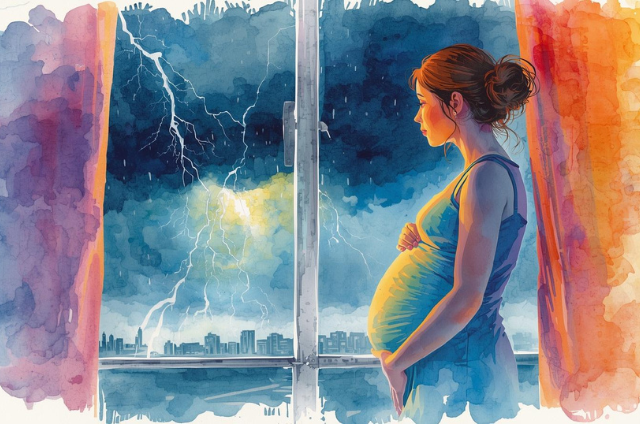
At twenty-five weeks into my pregnancy, I received a life-altering diagnosis of type 1 diabetes. Despite this, I continued working diligently, maintaining my routine, and holding onto visions of a serene homebirth experience.
That particular day coincided with a workplace event, requiring me to walk over to it. I recall being overwhelmingly breathless, needing to pause after just a few steps. Even climbing stairs proved exhausting, forcing me to stop midway. Clearly, something was amiss with my health.
Additionally, I had observed unexplained weight loss, particularly noticeable in my facial features. My cheeks appeared hollowed out. This was far from the radiant, vibrant pregnancy glow I had anticipated. Instead, it resembled a gaunt, unhealthy appearance rather than the nurturing, earthy vitality I had imagined.
Prior to this revelation, my pregnancy had progressed smoothly, what many would describe as ideal. I maintained a nutritious diet, engaged in regular walks, and immersed myself in Ina May’s birthing literature, mentally rehearsing the tranquil, candlelit home delivery I had meticulously planned.
All those aspirations shattered abruptly when my husband took one look at me and insisted, “You must see a doctor immediately. You appear gravely ill.”
The Pivotal Instant When My World Shifted
Initially, I suspected it was a trivial issue—perhaps a respiratory problem or a mild chest infection. I visited the local clinic armed with a urine sample (a common item for pregnant women in the UK), and after the initial test, events escalated rapidly.
The doctor stepped out briefly, consulted a senior colleague, and instructed me to recline on the examination table.
Within ten minutes, paramedics arrived, and I found myself in an ambulance hurtling toward the hospital with lights flashing and sirens blaring.
Curiously, my primary worry at that moment was my unattended vehicle back at work and the parking fine it would likely incur, rather than the unfolding medical crisis.
In the emergency department, medical staff began uttering the term “diabetes.” I was utterly clueless about its implications.
Eventually, a physician clarified the gravity: I was mere hours from a potentially fatal coma due to critically elevated blood glucose levels.
This wasn’t the temporary gestational diabetes; it was a severe, lifelong autoimmune disorder. The fear was palpable and overwhelming.
The subsequent seven days were spent hospitalized, where I mastered self-administering insulin injections, monitoring blood glucose levels, meticulously calculating carbohydrate intake, and struggling to suppress tears upon learning my pregnancy was now classified as high-risk.
When I expressed my determination to pursue a homebirth to one midwife, she responded with outright laughter, dismissing the idea entirely.
For the next two weeks, I wept uncontrollably each evening as darkness fell, grieving the loss of the uncomplicated life I had known before.
Burdened by Constant Measurements
Society often romanticizes pregnancy as a luminous, ethereal journey. However, introducing type 1 diabetes transforms it into a regimented, numbers-focused ordeal.
Every aspect demanded precise tracking: fasting glucose readings, postprandial goals, daily insulin dosages, fetal growth ultrasounds, HbA1c tests, carbohydrate tallies, basal insulin rates, and corrective boluses to rectify any deviations.
The fear of committing an error haunted me—consuming excessive portions, insufficient physical activity, or unexpected spikes from simple foods like oatmeal.
My body felt transformed into an experimental laboratory subject under perpetual scrutiny. Each medical visit resembled a high-stakes test that I inevitably underperformed on. A profound sense of betrayal emanated from my own physiology, compounded by the notion that I was somehow endangering my unborn child.
Even with exhaustive efforts to comply perfectly, the unyielding demand for flawlessness weighed heavily on my spirit.
The Transformative Moment: Embracing Surrender Over Struggle
Following a particularly grueling consultation, I retreated to my car and broke down in sobs. The obstetrician had just decreed that they alone would dictate the precise timing of my baby’s delivery.
Not the decision of whether or when in terms of method, but solely the exact moment.
In that vulnerable instant, I murmured to myself, “This body is mine. This child is mine.”
That whisper marked the profound turning point.
I came to understand that ceaseless battling—against physicians, metrics, or my inner turmoil—was no longer sustainable.
Instead, I yearned for true surrender, not as defeatist resignation, but as a deliberate, mindful release.
I engaged private midwives who honored my body’s innate wisdom. I intensified my preparatory efforts. I cultivated composure in regulating my glucose levels. I embraced hypnobirthing techniques, previously dismissed as overly mystical, which ultimately grounded me deeply within.
Daily, I immersed in soothing audio tracks. I envisioned my baby enveloped in unwavering love and security. I repeated affirmations that initially felt foreign:
- “I am providing everything necessary.”
- “My baby and I are partnering seamlessly.”
- “I possess the strength for this present challenge.”
Over time, these words resonated as undeniable truths.
Serenity Amid the Storm
Surrendering wasn’t synonymous with abandonment. It signified a deeper attunement to my needs.
I persisted with carbohydrate logging and insulin administration, yet ceased the frantic fixation. I granted myself grace to pause and recharge. To rediscover delight. To savor rediscovered joys of pregnancy once more.
A poignant realization emerged: support for mothers navigating my circumstances was woefully absent.
Neither endocrinologists, obstetricians, nor specialized diabetes nurses truly comprehended the holistic reality. They excelled in data interpretation but lacked intimate familiarity with the lived ordeal.
They couldn’t grasp nurturing a baby while relentlessly pursuing ideal glucose stability. Their guidance consisted of impersonal pamphlets, devoid of experiential empathy.
In this vacuum, I evolved into the foremost authority on my unique journey. I mastered guiding the unpredictable fluctuations of my blood sugar, akin to reining in a spirited, untamed horse.
Redefining True Strength
Conventional notions of strength emphasize endurance, bulldozing obstacles, and ironclad dominance.
Yet type 1 diabetes unveiled a subtler essence of fortitude—gentle, yielding, yet unyieldingly potent—rooted in acceptance and intentional release.
Initial fury gave way, as adaptation unfolded, to unexpected pleasures: exploring novel foods, observing patterns, innovating with exercise routines paired with insulin adjustments, and even “sugar squats”—brief squat bursts during hyperglycemia to naturally lower levels.
True strength manifested in moments such as:
- Indulging a carbohydrate-heavy craving when my body demanded it, followed by a shame-free walk to stabilize.
- Releasing attachment to the envisioned birth while welcoming the reality as it emerged.
- Vigorously pursuing aspirations despite medical skepticism.
- Occasionally relinquishing those aspirations altogether, discovering empowerment in unanticipated outcomes.
Two Children, Two Distinct Birth Stories
For my daughter, I tenaciously upheld the homebirth vision. Daily monitoring became routine. I steadfastly opposed induction. My midwives stood prepared; my husband prepared the birthing pool. Contractions commenced naturally. The process unfolded magnificently.
Until circumstances shifted.
After prolonged pushing, transfer to the hospital was necessary. Delivery occurred in a traditional hospital bed, legs elevated in stirrups—diametrically opposed to my dreams.
Nevertheless, empowerment surged through me. I had advocated consciously. I remained anchored to my core.
My second child arrived prematurely, beyond the scope for home midwifery care. At thirty-six weeks, I entered the hospital voluntarily and birthed my son with primal, roaring intensity.
He emerged robust and healthy. I, too, thrived.
My strength revealed itself, not in preconceived forms, but in authentic resilience.
Guidance for Navigating Life’s Unforeseen Twists
This narrative transcends pregnancy specifics; it speaks to any abrupt life detour.
An unforeseen diagnosis. An involuntary pivot. A profound loss. A blueprint rendered obsolete.
From my odyssey, these insights emerge, offered for your solace:
You haven’t faltered.
Your real-time adaptations embody ingenious survival.
No singular “correct” path exists through adversity. Prioritize intuitive daily navigation, affirming its sufficiency amid imperfection.
Release self-reproach. Abandon perfectionism. Cultivate sanctuaries of tranquility. Extend compassion inward.
And hold fast to this: fulfillment remains attainable, even when reality diverges starkly from your blueprint.