
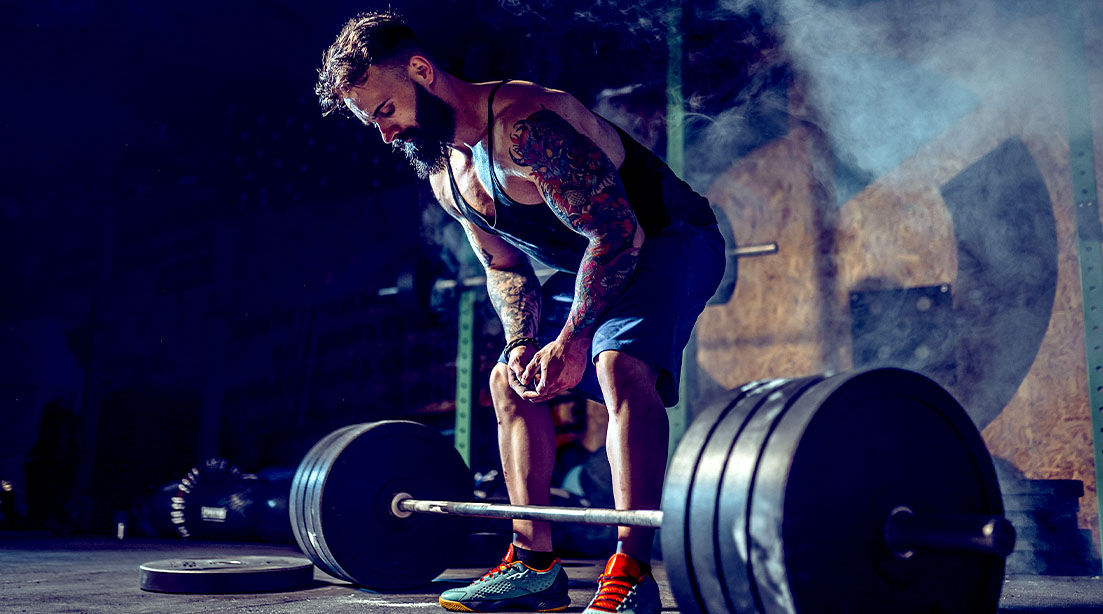
Many lifters experience both triumphant sessions and challenging moments during deadlift workouts. You approach the barbell, establish your setup with precision, and prepare to explode the weight off the ground. Yet, occasionally, discomfort arises. Your hold on the bar weakens, and your lower back signals sharp protest, urging you to reconsider.
At such points, you face a choice: abandon the set entirely or push forward despite the warning signs. However, with substantial loads involved in heavy deadlifts, there’s little room for mistakes or compromises.
Certain days bring unexpected hurdles, like sudden lower back irritation or a grip that fails prematurely before your glutes and hamstrings can fully engage. In other instances, restricted mobility turns each repetition into a precarious endeavor. Fortunately, effective alternatives exist to perform hip hinge movements without enduring discomfort or irritation.
We’ve curated five exceptional substitutes, each designed to address particular obstacles that render the traditional barbell deadlift unsuitable. Regardless of whether your goal is building raw strength, promoting muscle hypertrophy, or achieving pain-free advancement, these options align better with your physique while preserving the core benefits of deadlifting.
In the following sections, we’ll examine the prevalent issues associated with deadlifts and introduce five superior exercises that resolve them effectively.

Reasons the Conventional Barbell Deadlift Isn’t Ideal for All Lifters
The barbell deadlift stands as a cornerstone of strength training programs everywhere, yet it isn’t universally the optimal choice. Factors such as individual anatomical differences or execution difficulties often necessitate stepping away from this foundational floor pull. Below, we outline the primary factors that prompt many trainees to seek alternatives.
Low Back Pain or Heightened Sensitivity
Even subtle form imperfections—such as spinal rounding, inadequate core bracing, or bar path deviations—can dramatically increase compressive and shearing stresses on the lumbar region. While dedicated lifters might overcome back discomfort through gradual, technique-focused progressions, others deem the standard deadlift position inherently hazardous. When initiating the lift from the floor exacerbates rather than alleviates pain, it’s essential to adopt a variation that robustly targets the posterior chain while minimizing undue lumbar strain.
Restricted Mobility Constraints
Executing a proper conventional deadlift demands excellent flexibility in the hips, ankles, and thoracic spine. Deficiencies in these areas hinder achieving an optimal pulling stance. Telltale indicators of mobility shortcomings include a curved lower back during setup, excessive weight distribution toward the toes, or difficulty positioning yourself effectively under the barbell. These limitations frequently result in inefficient energy transfer, diminished power output, and elevated injury potential.
Grip Strength Deficiencies
Your posterior chain muscles might possess untapped potential, but a faltering grip halts progress prematurely. Grip fatigue emerges as the initial weak link, particularly during extended sets or maximal efforts. Accessories like mixed grips, hook grips, or lifting straps offer solutions, but not everyone prefers or tolerates them comfortably. A day marked by grip struggles serves as a clear indicator to adapt your approach.
Difficulty Sensing Glute and Hamstring Engagement
Fundamentally, the deadlift revolves around hip hinging, so exclusive sensation in the lower back points to technical flaws. This disconnect often stems from insufficient hip thrust, lax setup tension, or a mindset focused on raising the bar rather than driving through the floor. Failure to perceive activation in the glutes and hamstrings reveals underlying inefficiencies that demand correction.
Essential Qualities of an Effective Deadlift Substitute
An outstanding deadlift replacement must mimic the movement’s essence while delivering comprehensive benefits to the lower back, glutes, and hamstrings. Ideal for injury recovery, equipment constraints, or form refinement, superior alternatives adhere to these four fundamental principles:
Strong Emphasis on the Posterior Chain
Authentic substitutes must vigorously engage the glutes, hamstrings, and spinal erectors, mirroring the conventional deadlift’s demands. Prioritize movements that promote loaded hip extension, generate posterior tension, and emphasize full glute contraction at the top.
Minimized Load on the Lower Spine
Numerous trainees abandon straight-bar deadlifts due to uncooperative lower backs. Excellent alternatives alleviate lumbar compressive and shear forces without compromising gains. Opt for implements enabling upright postures (like trap bars or kettlebells), loads positioned nearer to your body’s center (such as landmines), or restricted motion ranges to safeguard the spine.
Precise Hip Hinge Mechanics
The deadlift’s hallmark is the hip hinge—a deliberate hips-backward then hips-forward sequence, distinct from squatting or back extensions. Top alternatives foster hamstring stretch and contraction sensations, trunk stability, and resistance to spinal flexion.
Capacity for Progressive Overload
Select exercises amenable to advancement via increased repetitions, heavier loads, extended tension duration, or varied tempos. Accessible in any gym setting—from commercial facilities to home setups—these movements should evolve alongside your strength gains.
Premier 5 Deadlift Alternatives
Beyond mere tweaks, these five selections directly counteract the hurdles that sideline conventional barbell deadlifts. Tailored for low back discomfort, mobility deficits, grip shortcomings, or suboptimal glute activation, each exercise provides targeted relief and performance enhancement.
1. Trap Bar Deadlift (Optimal for Lower Back Comfort)
Addresses: Lower back tenderness, grip exhaustion, mobility restrictions
The trap bar revolutionizes the deadlift dynamic. Side-positioned handles align the load with your center of gravity, shortening the spine’s moment arm and permitting a more vertical torso. This configuration diminishes shear stress on the lower back and streamlines force application. Additionally, the neutral hand position obviates straps and bolsters heavy-load stability.
Key Advantages:
- Gentler on the spine and shoulder joints
- Suitable for trainees across experience levels
- Blends squat and hinge elements, engaging quads alongside glutes
2. Romanian Deadlift (Prime for Glute and Hamstring Stimulation)
Addresses: Inadequate glute/hamstring feel, ankle mobility shortages
The Romanian deadlift (RDL) eliminates floor pulls, emphasizing a dedicated hip hinge from standing. Descend deliberately to experience profound hamstring elongation throughout the eccentric phase. This variation excels at refining hinge technique, fortifying the full posterior chain, and heightening neuromuscular connections.
Key Advantages:
- Ideal introductory hinge for beginners
- Builds eccentric hamstring resilience
- Maximizes time under tension for hypertrophy
3. Landmine Romanian Deadlift (Superior for Mobility and Technique Mastery)
Addresses: Grip and mobility barriers, erratic bar trajectory, lower back concerns
Landmine configuration anchors the bar forward while stabilizing the path, rendering the RDL more forgiving. It enforces correct hinging by directing hips rearward, preventing forward load migration. Perfect for those grappling with bar management or back irritation from free-bar lifts, this setup ensures consistency.
Key Advantages:
- Inherent guidance for flawless hinging
- Reduced lower back demands
- Adaptable progression for every skill tier
4. Barbell Rack Pull (Excellent for Top-End Lockout Power)
Addresses: Grip failures, mobility limitations, back aggravation from full-range pulls
Rack pulls enable heavy deadlifting from pins positioned above knee height or slightly below, curtailing range of motion and lumbar involvement. This refocuses efforts on lockout prowess, easing mobility prerequisites for those intimidated by full deadlifts. It’s invaluable for amplifying upper-pull strength sans backlash.
Key Advantages:
- Overloads the deadlift’s peak strength zone
- Lowers mobility thresholds
- Spares the back and knees effectively
5. Machine Hip Thrust (Ultimate Spine-Safe Glute Developer)
Addresses: Grip problems, lower back vulnerability, weak glute activation
When barbell deadlifts provoke back rebellion, machine hip thrusts deliver glute-centric hinging that bypasses spinal loading entirely. This isolates hip extension for scalable glute and hamstring development: straightforward execution, no hip-bar discomfort, purely targeted posterior work.
Key Advantages:
- Spine-neutral heavy glute training
- Intense glute focus minus spinal overload
- Eliminates barbell placement hassles
No single lift suits every body perfectly, least of all the barbell deadlift. Persistent issues like back woes, mobility gaps, grip unreliability, or muted target muscle feedback turn forced repetition into a recipe for stagnation or harm, not progress.
True deadlifting prioritizes sustainable strength over bravado. When standard pulls falter, integrate these powerhouse alternatives to sustain momentum pain-free and continue your gains uninterrupted.